Section 02 · How the method works
Salt, acid, temperature and time, in the order they act
The nine pages behind every recipe on this site: what each ingredient is for, which figure is a safety figure, and where each figure was printed.
On this page
On this page
Every recipe on this site rests on four variables: salt, acid, temperature and time. They do not act at the same moment, and they do not carry the same weight. Salt works first, acid is produced or added second, temperature governs the pace, and time is simply the record of the other three. Reading them in that order is what makes the rest of the manual legible.
Salt acts first, and it selects who grows
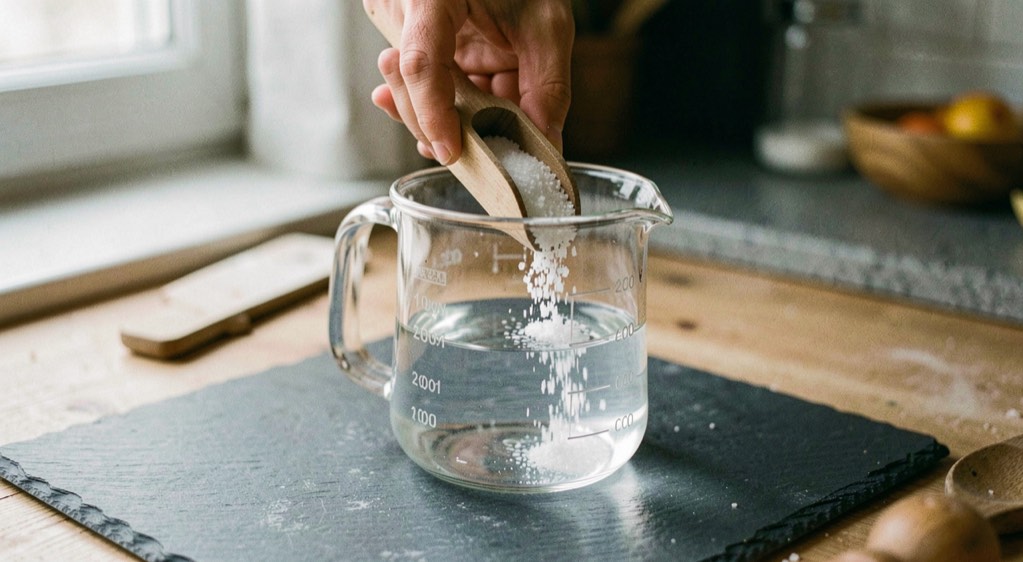
Salt is the first variable because it is present from the first hour, before any acid exists. As Colorado State puts it, salt "causes the cabbage cells to release fermentable sugars and inhibits growth of undesirable yeasts, molds, and bacteria. The bacteria needed for safe fermentation tolerate higher concentrations of salt." The national guide states the same mechanism in one line: "In fermented foods, salt favors the growth of desirable bacteria while inhibiting the growth of others." Salt is not there for taste at this stage; it is there to tilt the jar toward lactic acid bacteria and away from everything else.
Acid arrives second, by two different roads
In fermented pickles, the acid is produced inside the jar. The brined vegetables "require several weeks of 'curing' at room temperature. During this period, colors and flavors change. Acid is produced as lactic acid bacteria grow" (Oregon State's PNW 355). In quick-process pickles, no such production happens: the acid arrives ready-made as vinegar, in one or two days, and "it is critical to add enough vinegar to prevent bacterial growth" (PNW 355). That vinegar must be labeled 5 percent acidity. The national guide requires use of a vinegar of 5 percent acidity, 50 grain, and instructs: "Do not alter vinegar, food, or water proportions in a recipe or use a vinegar with unknown acidity." So acid is either grown or poured, and everything else in the method follows from which road you take.
The figure that the regulation itself draws
Of all the numbers printed in this manual, only pH 4.6 is a safety figure in the regulatory sense. It is the boundary the FDA draws in 21 CFR 114 between acid or acidified foods and low-acid foods, and it is the line that decides whether a finished product may be processed in a boiling-water bath or requires pressure treatment. Its microbiological basis is printed in the FDA's appendix: 4.6 is the minimum growth pH of proteolytic C. botulinum types A, B and F. Colorado State states the consequence plainly: "growth is inhibited at an acidic pH of 4.6 or lower."
More than one number is a safety number
pH 4.6 is the regulatory boundary between acid or acidified foods and low-acid foods. It is not the only safety figure in this manual: the published salt ratios of a fermented recipe and the 5 percent vinegar of a fresh pack recipe are safety figures too. Penn State prints that the exact ratio controls pathogen growth and that changing the proportions could result in an unsafe product, and the national guide prints: "Do not attempt to make sauerkraut or fermented pickles by cutting back on the salt required."
How to tell a regulatory limit from a tested recipe value
A regulatory limit comes from a rule or a microbiological table and is stated as a boundary: pH 4.6, or the growth minima in the FDA appendix. A recipe value is not a microbiological limit, but it is not a matter of taste either. The 3 tablespoons of salt per 5 pounds of shredded cabbage printed by the national guide, Oregon State's PNW 355, Penn State and Clemson, and the 2 to 2.5 percent salt by weight that Colorado State publishes for sauerkraut, are tested proportions that the sources forbid you to reduce. Colorado State is the only source that prints a percentage; the others give the volumetric ratio without one. Sugar is the only published adjustment for taste.
Temperature sets the pace, and the sources disagree on one point
Temperature does not make the fermentation safe; it sets how fast it runs, and it has edges. The published ranges for fermented dill pickles and sauerkraut are as follows.
| Product | Range | Time | Source |
|---|---|---|---|
| Fermented dill pickles | 70 to 75 °F (21 to 23 °C) | 3 to 4 weeks | national guide; PNW 355; Clemson; Penn State |
| Fermented dill pickles | 55 to 65 °F (12 to 18 °C) | 5 to 6 weeks | national guide; PNW 355; Clemson; Penn State |
| Sauerkraut | 70 to 75 °F | 3 to 4 weeks | national guide; PNW 355; Clemson; Penn State |
| Sauerkraut | 68 to 72 °F | 7 to 14 days | Colorado State |
The last row contradicts the others, and the contradiction is reported, not settled: Colorado State publishes 68 to 72 °F for 7 to 14 days, while the national guide, Oregon State, Clemson and Penn State publish 70 to 75 °F for 3 to 4 weeks. Beyond the ranges, the sources agree on the edges: below 60 °F, "kraut may not ferment" (national guide; Penn State), and above 80 °F, "pickles will become too soft" (PNW 355). Above 75 °F, kraut "may become soft."
Time is the result, not an instruction
Time appears in every source attached to a temperature, never alone. The weeks printed for curing are the outcome of salt, temperature and the bacteria's own pace. This is why the same product can take 3 to 4 weeks at 70 to 75 °F and 5 to 6 weeks at the cooler range: nothing changed except the pace. Treat every duration in this manual as conditional on its stated temperature, not as a clock you set independently.
What this page does not tell you: it does not give a brine percentage for fermented cucumbers, because no accepted source publishes one, not found. It does not print a target pH or a reached pH for homemade sauerkraut or pickles, because none is published. And it does not tell you what pH your own jar has reached on a given day: no accepted source publishes an acidification curve against temperature or time. For those questions, the only honest answer is that nothing is printed, and a pH meter reading of your own jar is outside what this manual can predict.
Sources of the figures on this page
- National Center for Home Food Preservation, University of Georgia, General Information on Pickling, adapted from the USDA Complete Guide to Home Canning, revised 2015, reviewed February 2018. The four classes of pickled product, the 5 percent vinegar requirement, and the prohibition on altering proportions.
- National Center for Home Food Preservation, University of Georgia, General Information on Fermenting, adapted from the USDA Complete Guide to Home Canning, AIB 539, revised 2015. What the salt does in a ferment, and the prohibition on reducing it.
- Office of the Federal Register and the Food and Drug Administration, Title 21, Part 114, Acidified Foods, sections 114.3, 114.80 and 114.90, source 44 FR 16235, March 16, 1979; section 114.80 amended 80 FR 56144, September 17, 2015; CFR edition 2024. The regulatory definitions, the 4.6 equilibrium pH that separates an acidified food from a low acid one, and the 4.0 measurement rule.
Section 02Everything filed here
10 entries, most recently revised first.
-
02.01
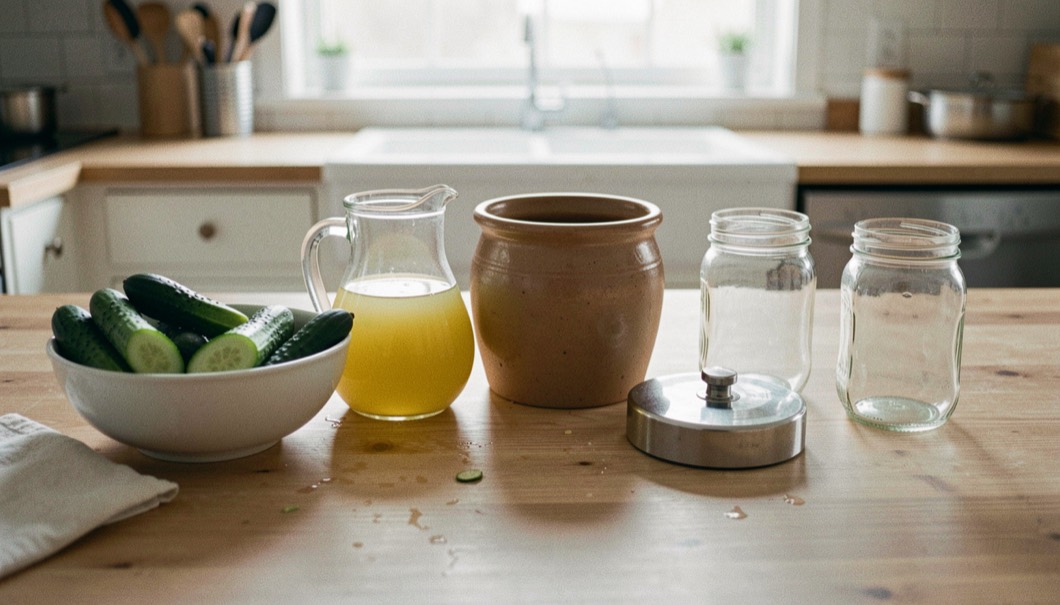
How to make a pickle, in the order the steps actually happen
One page that walks the whole procedure once, so that every recipe on this site can be read as a variation on it rather than as a list.
-
02.02
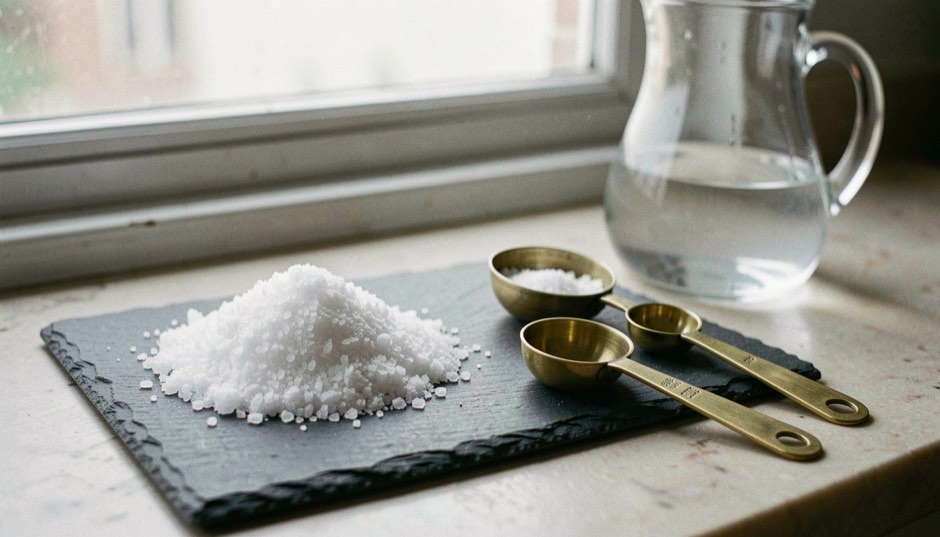
Every salt strength these documents publish, and what each is for
Nine figures from five publications, kept separate on purpose: a strength written for a crock of cabbage is not a strength for a jar of cucumbers.
-
02.03
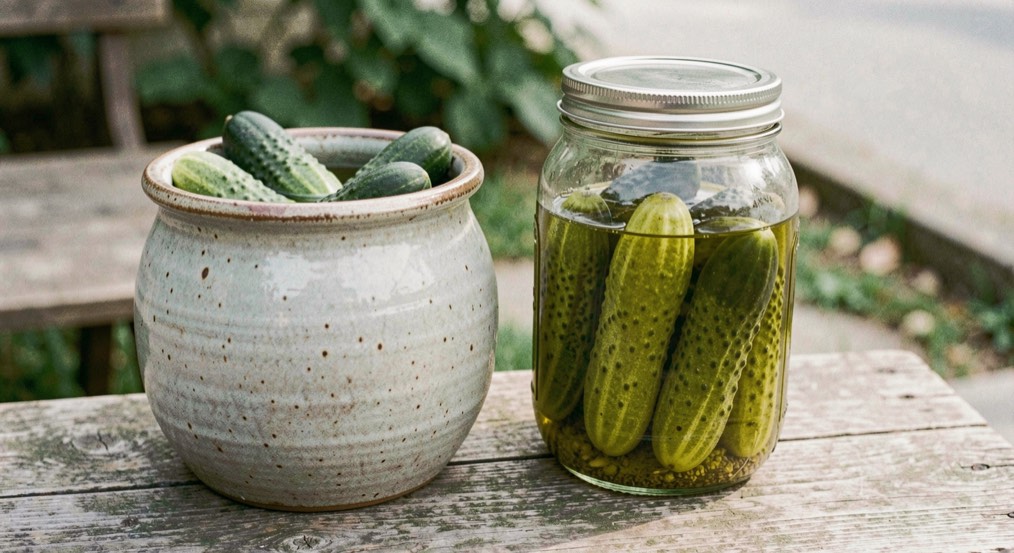
Ferment or vinegar, and the four classes the documents define
The single distinction that governs every other page here: whether the acid is made by the vegetable or poured in from a bottle.
-
02.04
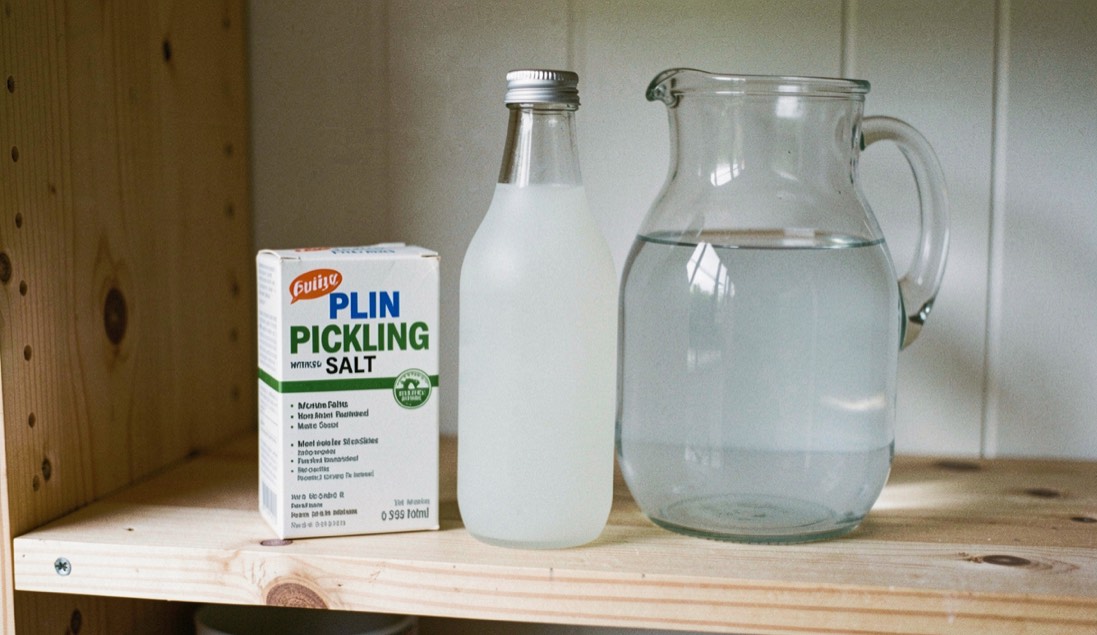
Which salt, which vinegar and which water the recipes assume
Three ingredients that look interchangeable in a shop and are not, with the published reason for each restriction.
-
02.05
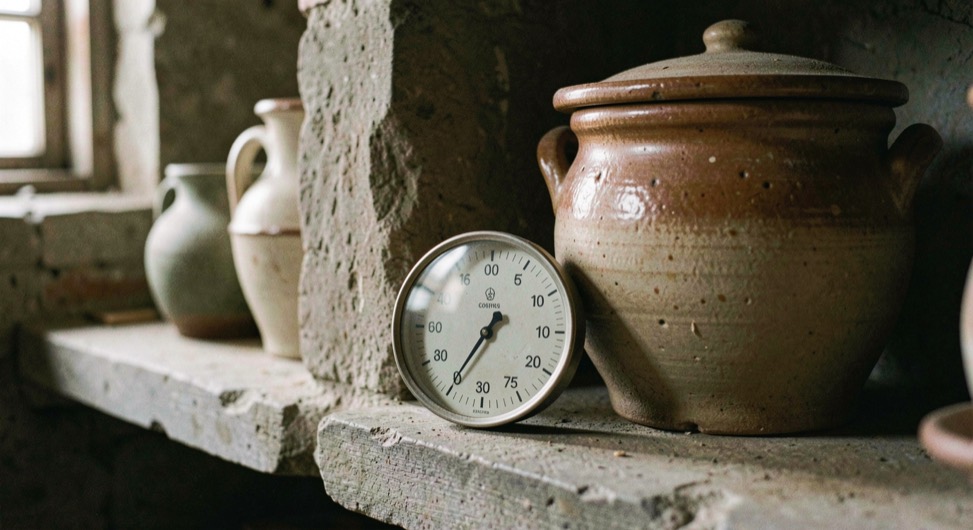
Temperature and time, and the one place the sources disagree
The two figures a cellar decides for you, and what the documents say happens when the cellar is warmer or colder than they assume.
-
02.06
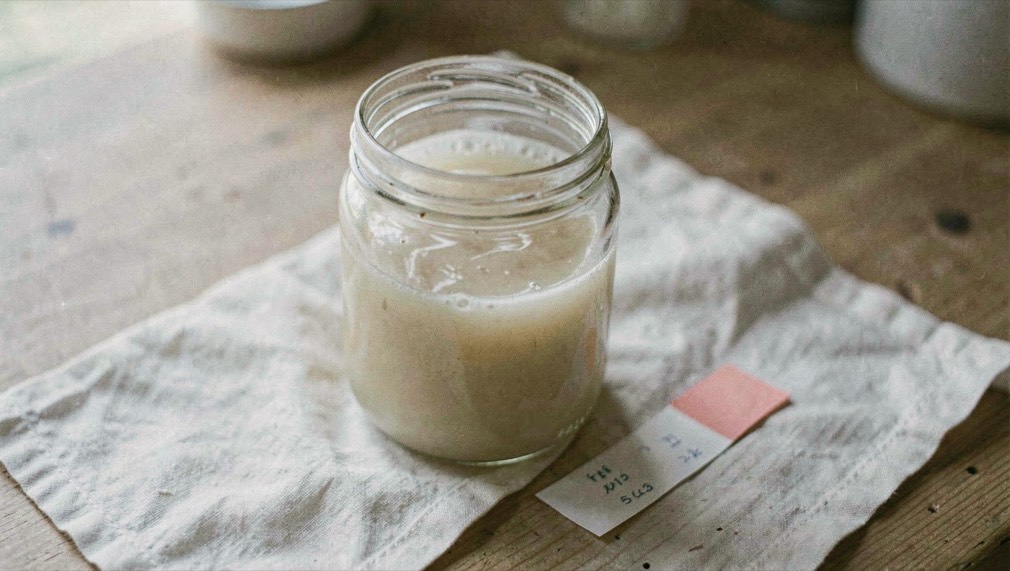
Acidity, spoilage, and the batches these documents tell you to throw away
The page that exists because this subject can make people ill: every figure here is a regulatory or federal figure, and every one is attributed.
-
02.07
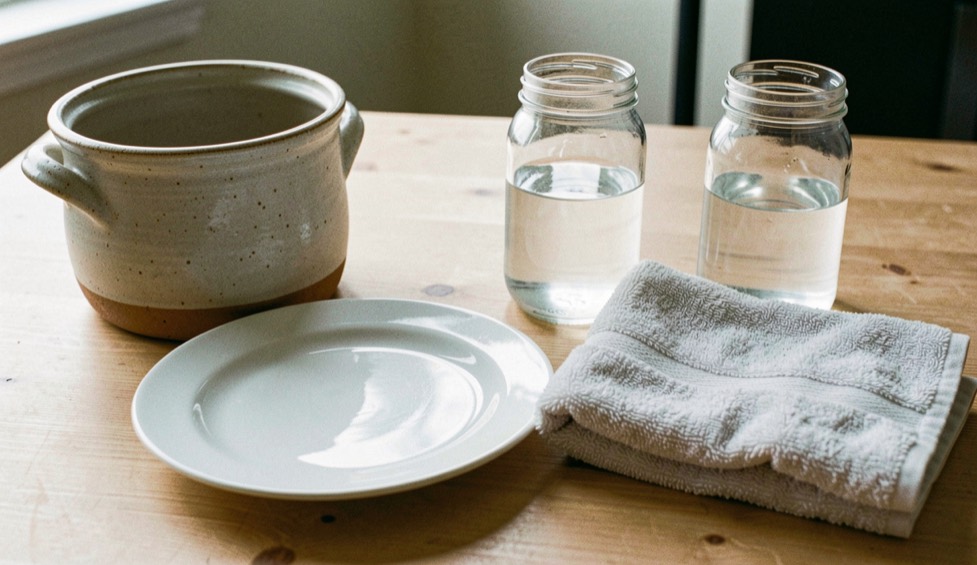
Crock, weight, cover and jar, and the rule attached to each
Four objects, and the reason each one is specified rather than suggested: every rule here comes from the same documents as the recipes.
-
02.08
Season, maturity and the delay between the field and the crock
A recipe assumes a vegetable at a particular stage. This page collects what is actually published about that stage, and says where it is not published.
-
02.09
The words of the trade, defined by the documents that use them
Every entry here is a definition taken from a named publication, not a definition written for this site.
-
02.10
Sources, method, and what this site does when the documents disagree
A manual about food safety is only worth what its sources are worth, so this page names all of them and describes how they were read.