A public manual
Salt, acid, temperature, time: brining vegetables from the published record
Fifteen vegetables, each with the recipe a named document actually publishes, and nine pages on the method behind them. No figure on this site was invented, rounded or remembered.
Revised September 6, 2026 · 28 pages · 39 sources
ChartEvery salt strength these documents publish
A brine is not a matter of taste. Salt at the published strength is what keeps the wrong organisms from growing while the lactic bacteria work, which is why every source on this site forbids reducing it.
| Preparation | Salt | Per | Vinegar at 5 percent | Temperature | Time | Source |
|---|---|---|---|---|---|---|
| Fermented dill pickles | 1/2 cup | 8 cups water and 4 lb cucumbers, per gallon of container | 1/4 cup | 70 to 75 F | 3 to 4 weeks | NCHFP |
| Fermented dill pickles, cool room | 1/2 cup | same | 1/4 cup | 55 to 65 F | 5 to 6 weeks | NCHFP |
| Sauerkraut, by volume | 3 tbsp | 5 lb shredded cabbage | none | 70 to 75 F | 3 to 4 weeks | NCHFP, PNW 355 |
| Sauerkraut, cool room | 3 tbsp | 5 lb shredded cabbage | none | 60 to 65 F | 5 to 6 weeks | NCHFP |
| Sauerkraut, stated as a percentage | 2 to 2.5 percent by weight | shredded cabbage | none | 68 to 72 F | 7 to 14 days | Colorado State |
| Sauerkraut fermented in a jar | 3 1/2 tbsp | 5 lb cabbage | none | not stated | not stated | Penn State |
| Brine to top up a crock | 1 1/2 tbsp | 1 quart water | none | not applicable | not applicable | PNW 355, NCHFP |
| Brine inside a bag used as a weight | 4 1/2 tbsp | 3 quarts water | none | not applicable | not applicable | NCHFP |
| Quick fresh pack dills, the pickling liquid | 1/2 cup | 2 quarts water | 1 1/2 quarts | brought to a boil | 10 to 20 min in the canner | NCHFP |
The two sauerkraut temperatures do not agree, and neither does the holding time: the national guide prints 70 to 75 F for 3 to 4 weeks, Colorado State prints 68 to 72 F for 7 to 14 days. Both are reproduced above because both are published. The page on temperature and time says what follows from the difference.
BenchFifteen vegetables, one page each
Each page carries the published recipe for that vegetable: the salt, the acid, the temperature, the holding time, the headspace and the processing schedule, with the document that publishes them. Where nothing is published, the page says so instead of filling the gap.
-
01
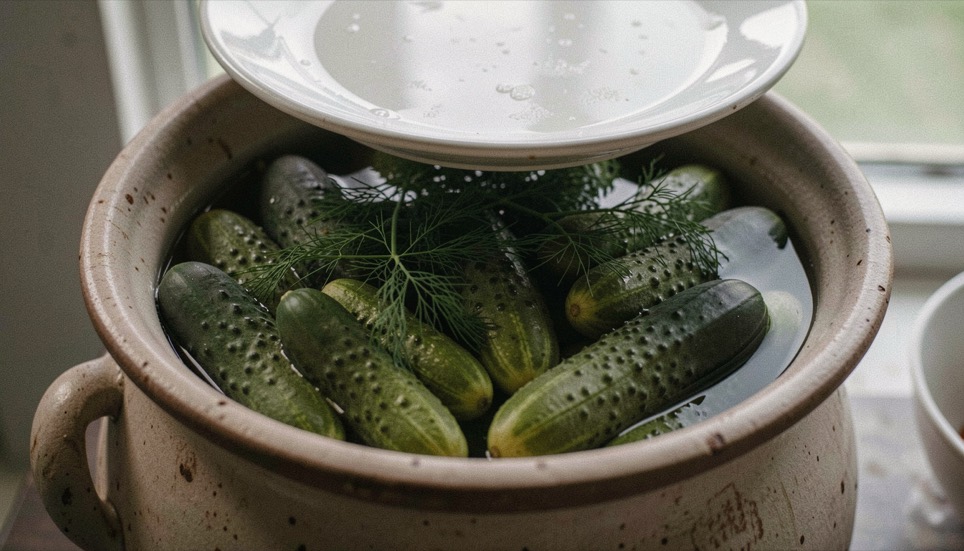
Fermented dill pickles, cucumber by the gallon of crock
The oldest and the most documented of these recipes, printed the same way by four separate publications, all of them adapted from one national guide.
-
02
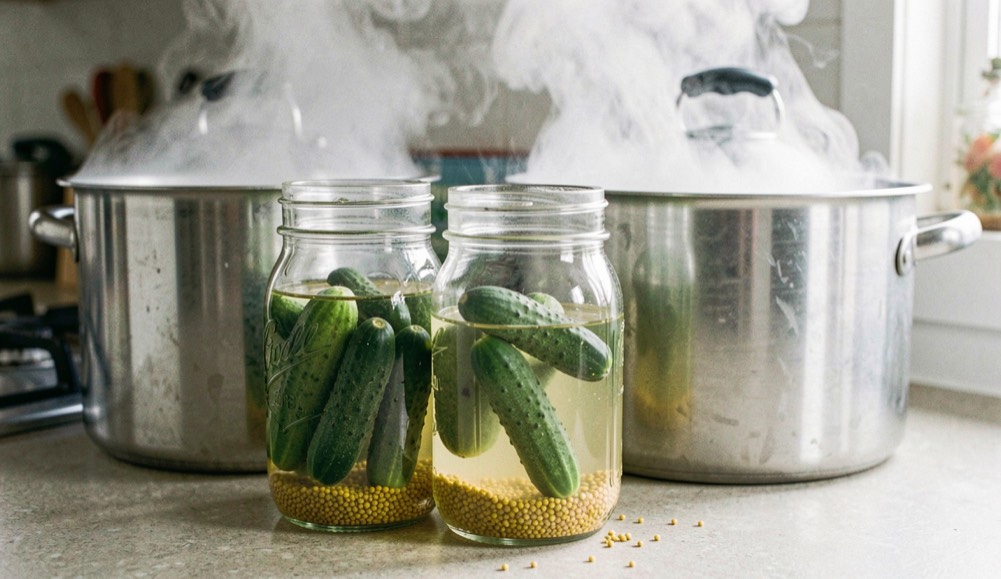
Quick fresh pack dills, the cucumber that never ferments
No lactic bacteria, no crock and no three weeks: acidity arrives ready made in the jar, which changes what the recipe is allowed to do.
-
03
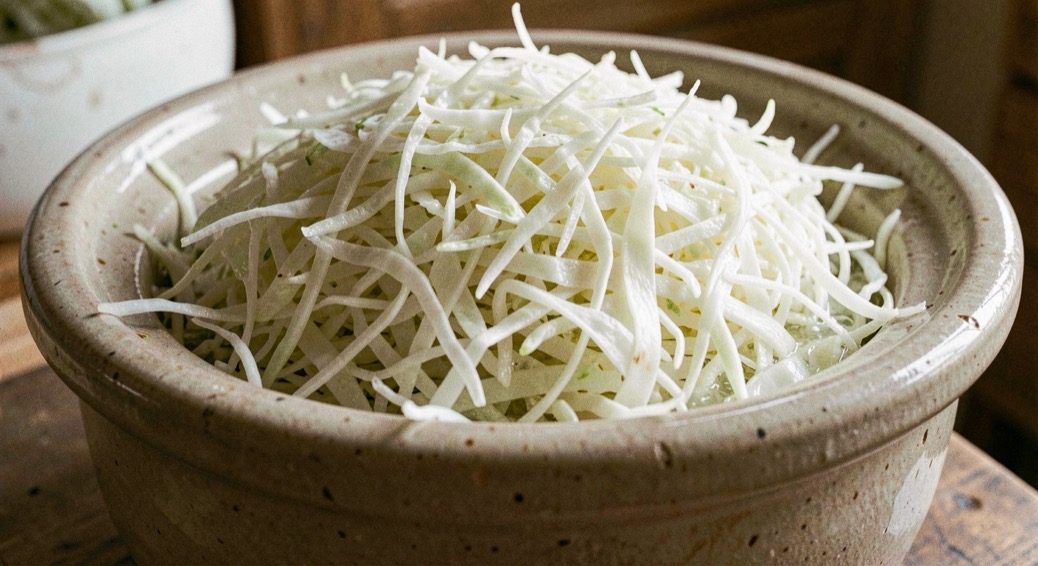
Sauerkraut, and the one recipe published as a percentage
The only vegetable on this site for which a source states the salt as a percentage of the weight, and the only one where two documents print different temperatures.
-
04
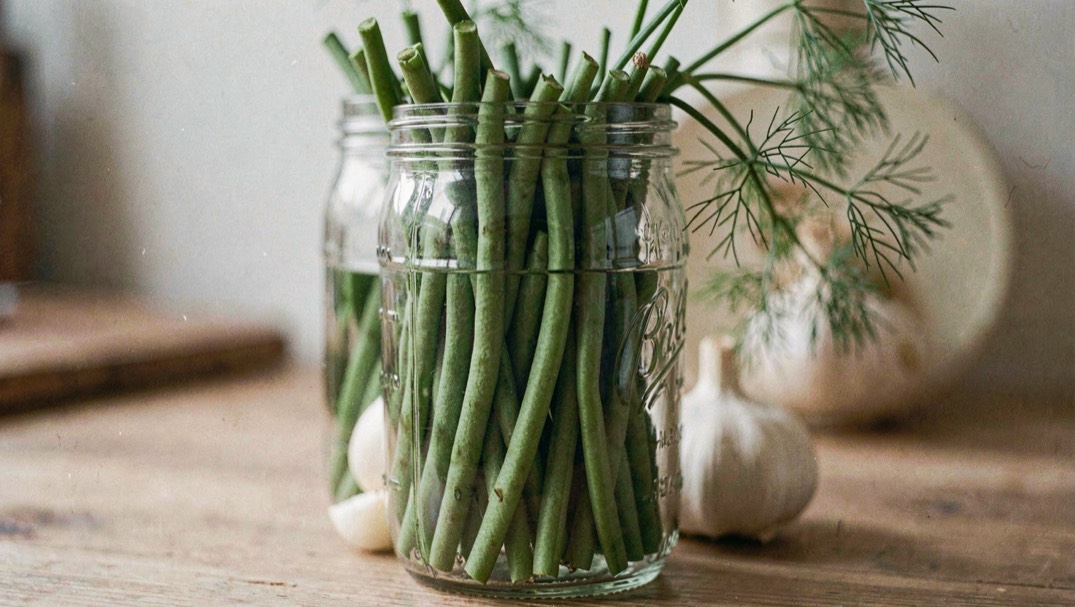
Dilled beans, upright in the jar and never fermented
A fresh pack recipe with one of the shortest processing times published, and no fermented version anywhere in these sources.
-
05
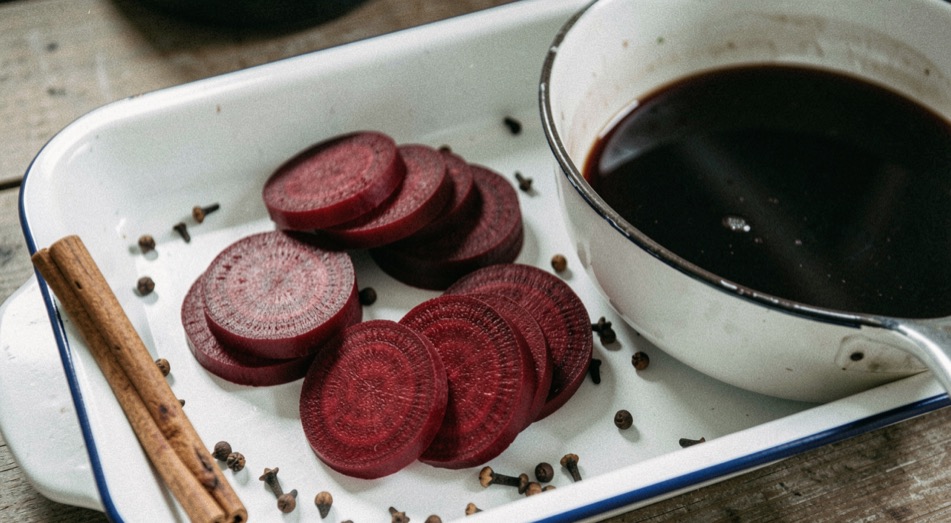
Pickled beets, cooked before they are ever pickled
The only recipe here that cooks the vegetable through first, and the only one whose preparation step exists to keep the colour in the beet.
-
06
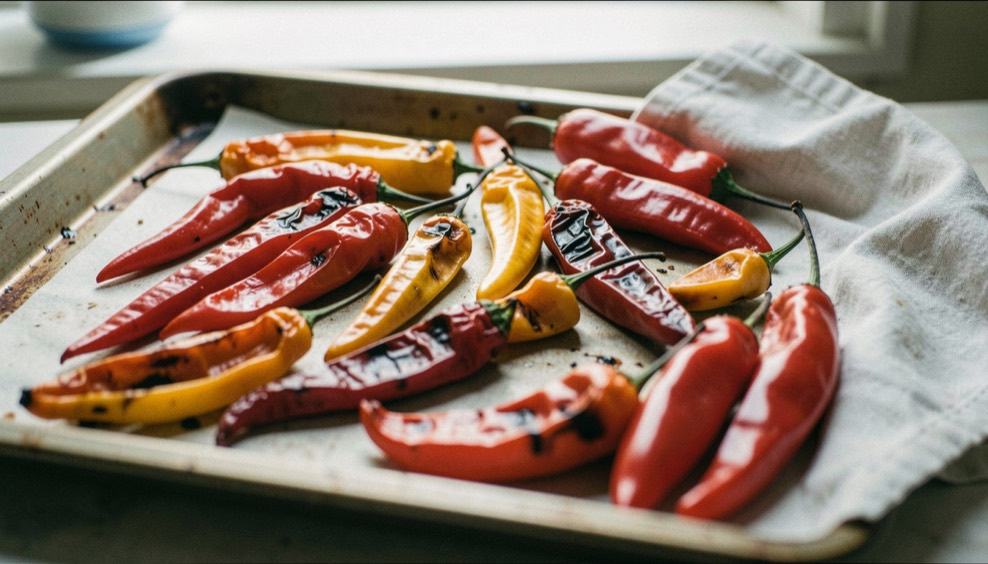
Pickled hot peppers, blistered before they are packed
The one recipe on this site that carries a safety instruction about the cook rather than the food, and the only one with a skin removal step.
-
07
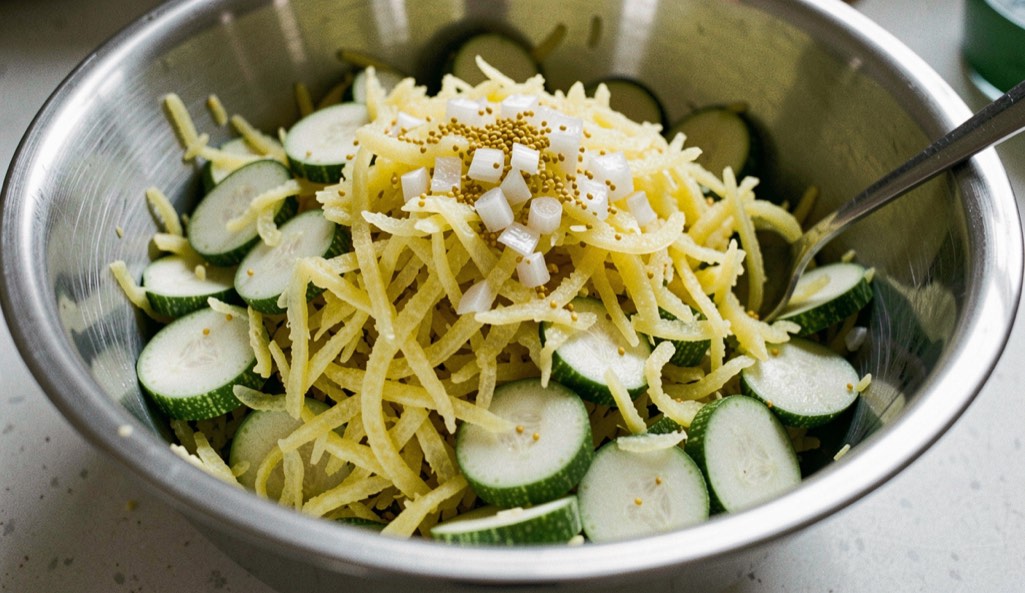
Summer squash relish, the one recipe that is not a pickle
A relish rather than a pickle: the vegetable is grated, the liquid is thick with sugar, and the class it belongs to changes what the schedule is for.
-
08
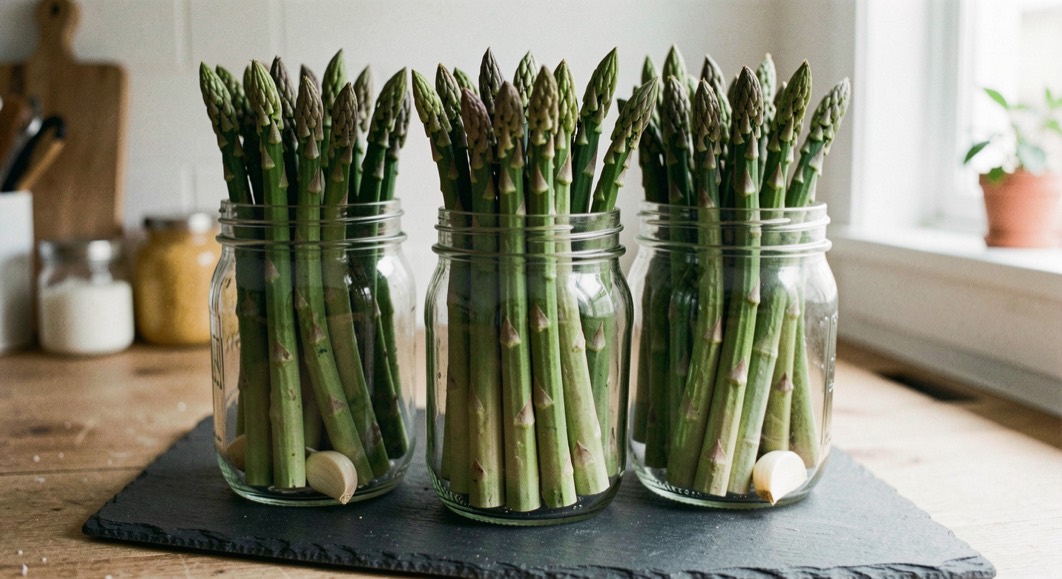
Pickled asparagus, equal parts water and vinegar
One of the seventeen tested recipes in a single extension publication, and one of the few that names a twelve ounce jar in its schedule.
-
09
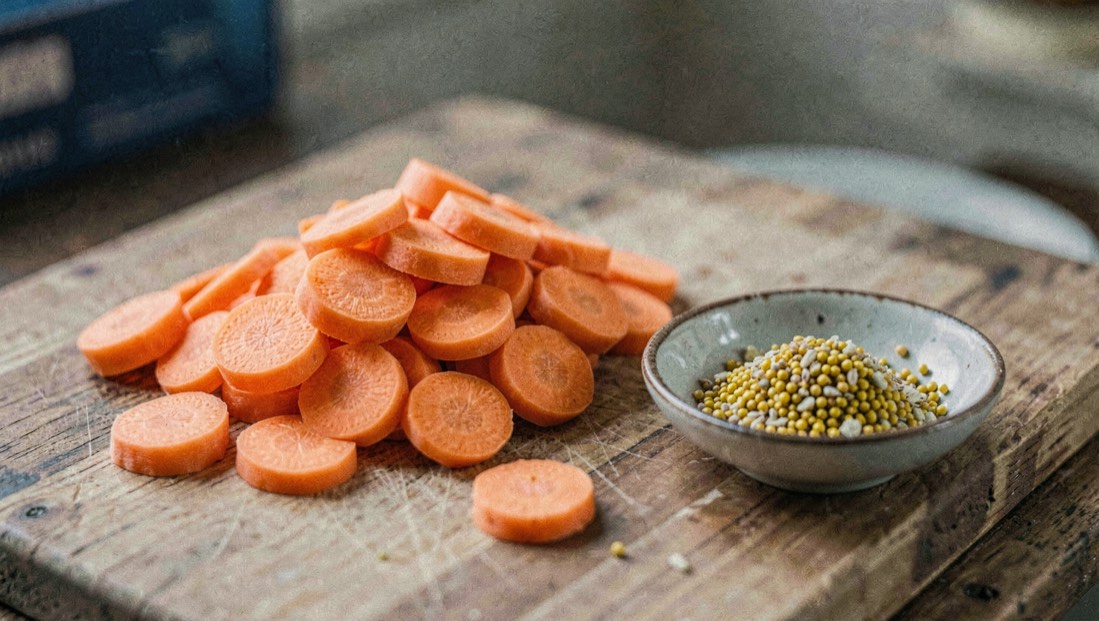
Pickled carrots, and a brine where the salt is not the preservative
The clearest published example of a recipe whose salt is there for taste and whose safety rests entirely on the vinegar.
-
10
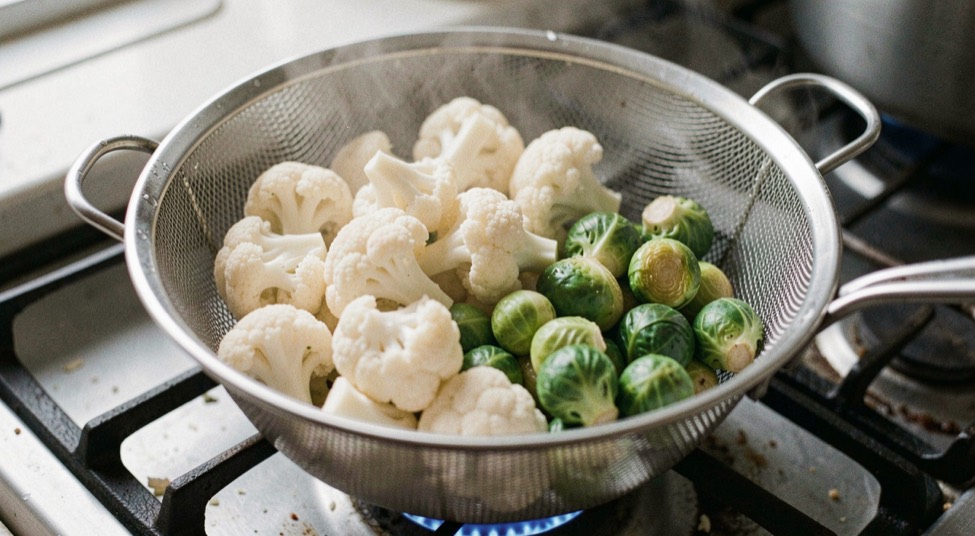
Cauliflower and Brussels sprouts, and a salt that is thrown away
One of the two recipes here with a salted blanching water, a quantity that never reaches the jar and must not be confused with a brine.
-
11
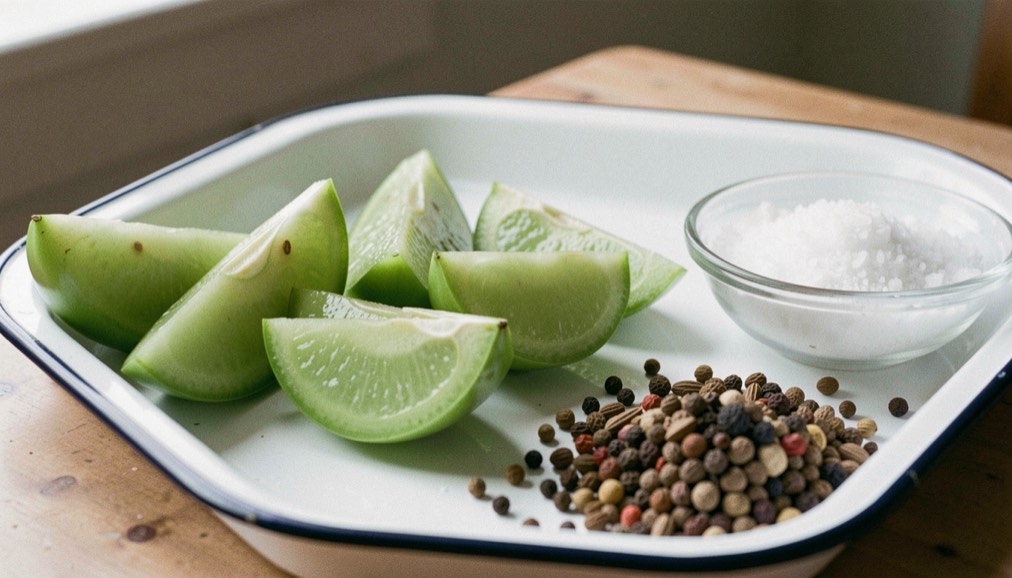
Green tomatoes, three published recipes and one trap
The vegetable with the most published variants here, and the one where the strongest brine of all belongs to a recipe that is not a fermentation.
-
12
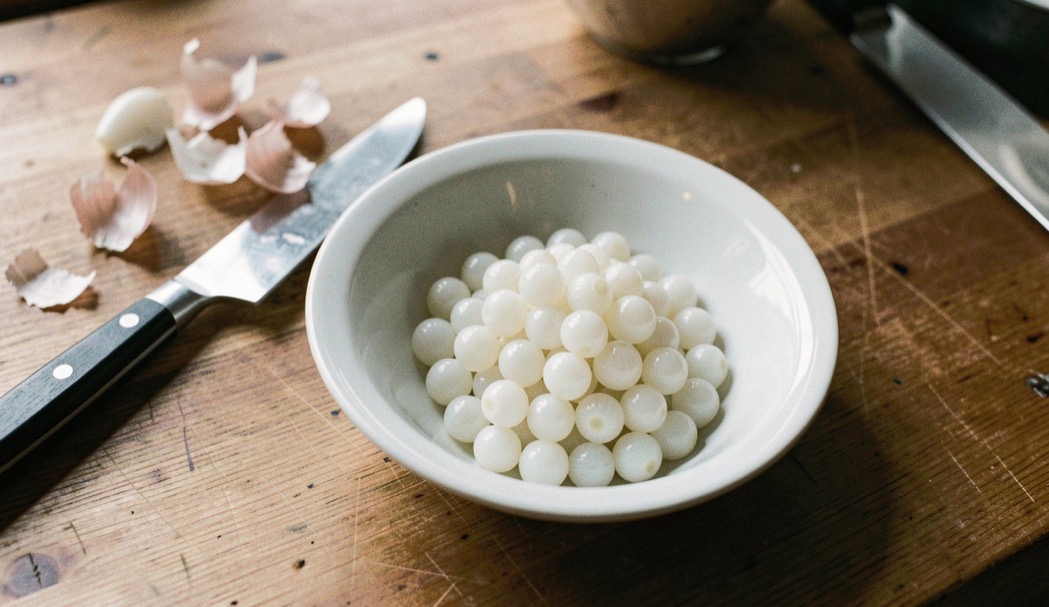
Pearl onions, the smallest vegetable in the whole set
A short recipe, and a useful one to read against the others, because almost every step in it exists to handle the size of the vegetable.
-
13
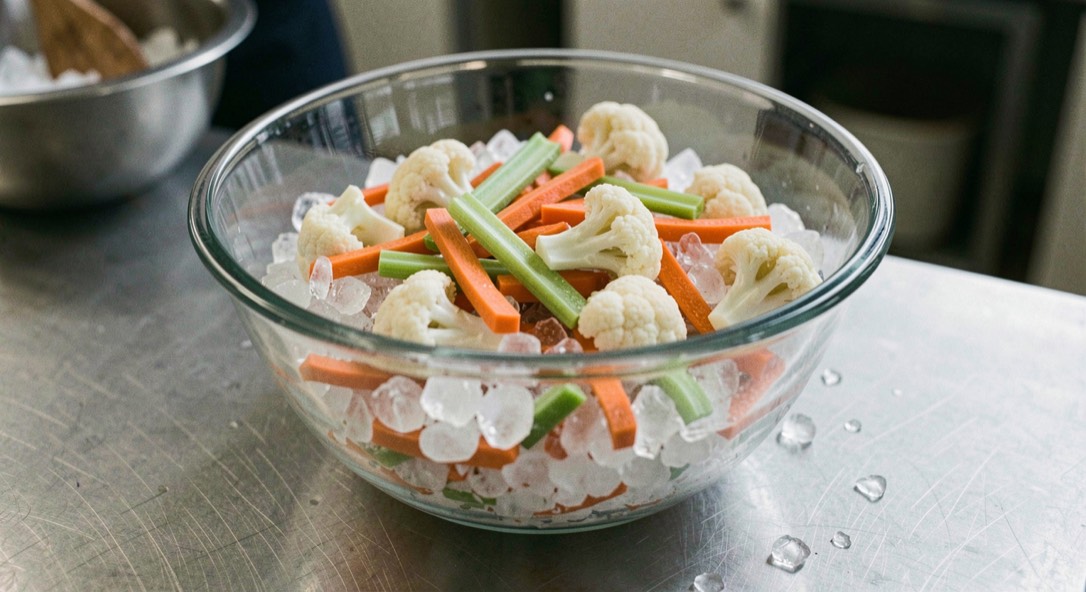
Mixed vegetables, the only recipe here with no added water
The recipe that shows most plainly what the vinegar is doing, because there is nothing in the jar to dilute it.
-
14
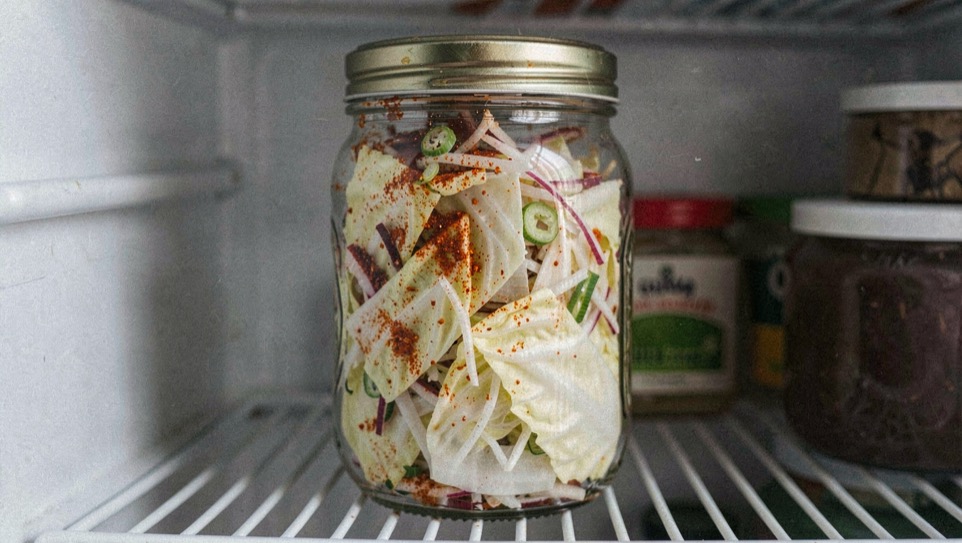
Kimchi, the one ferment here that is never made shelf stable
One source in this whole set publishes a kimchi procedure, and it differs from every other page here in the way that matters most: the jar never becomes shelf stable.
-
15
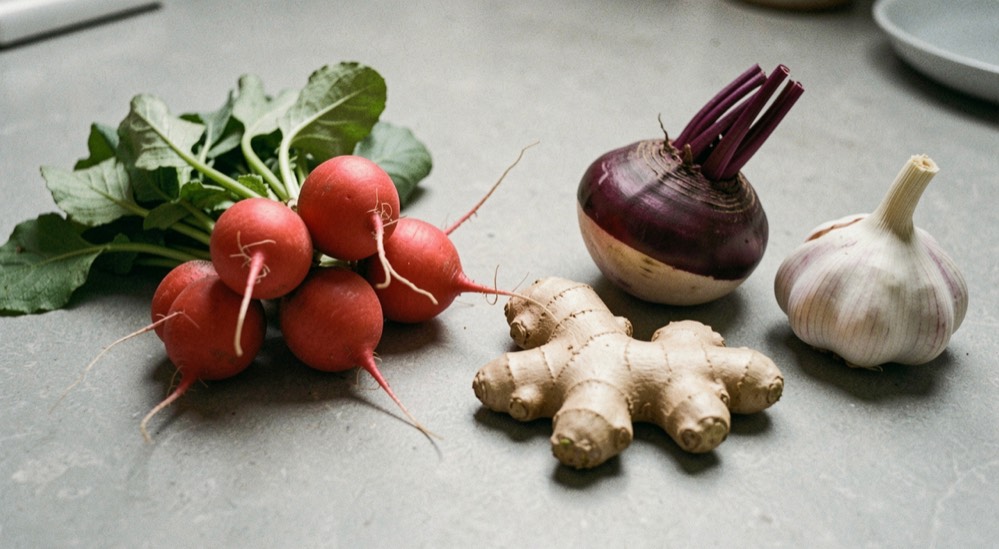
Four vegetables this manual gives no recipe for, and why
The page that exists because the honest answer to a question is sometimes that nobody tested it, and a manual on this subject may not guess.
BoardFour objects, and the rule each one exists for
The published instructions turn on four pieces of equipment. Each one has a rule attached to it, and each rule comes from the same documents as the recipes.
-
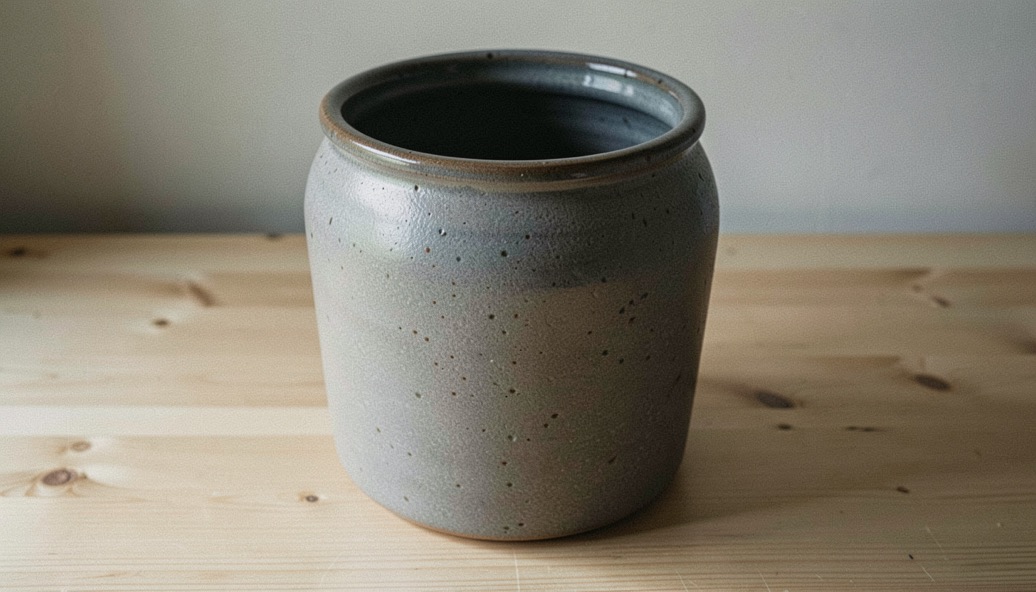
The crock. One gallon of capacity for every five pounds of fresh vegetable.
-
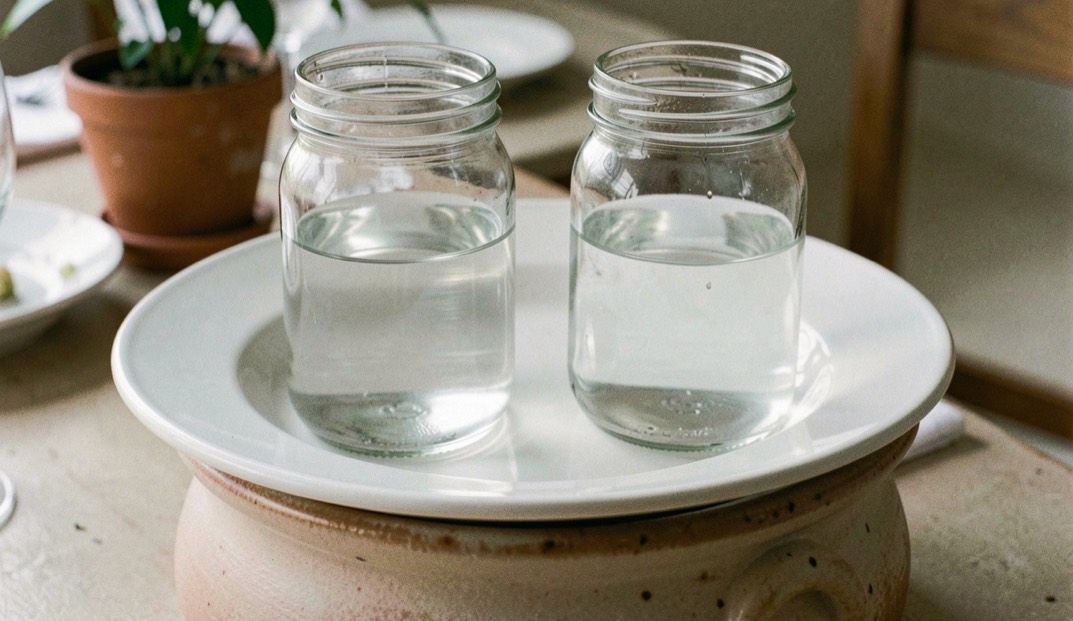
The weight. The vegetables stay one to two inches under the brine, never above it.
-
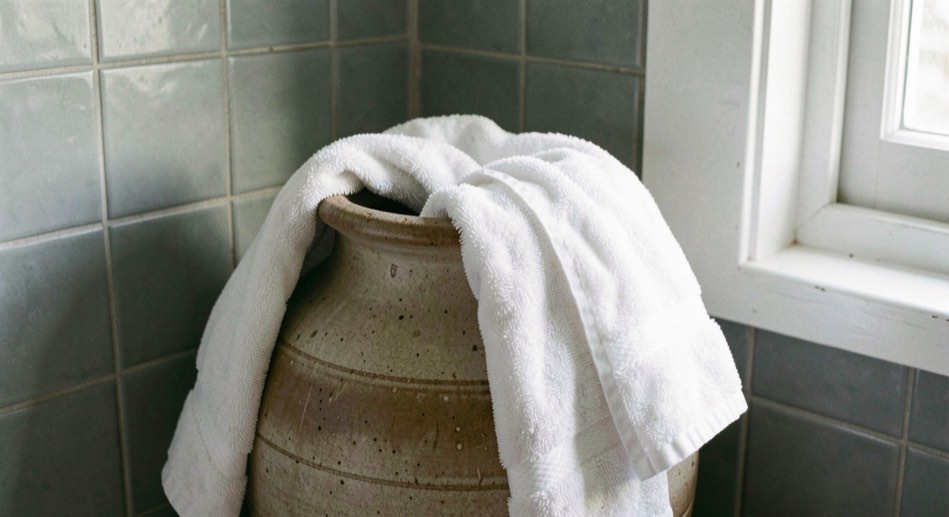
The cover. A clean heavy bath towel over the crock, not a sealed lid.
-
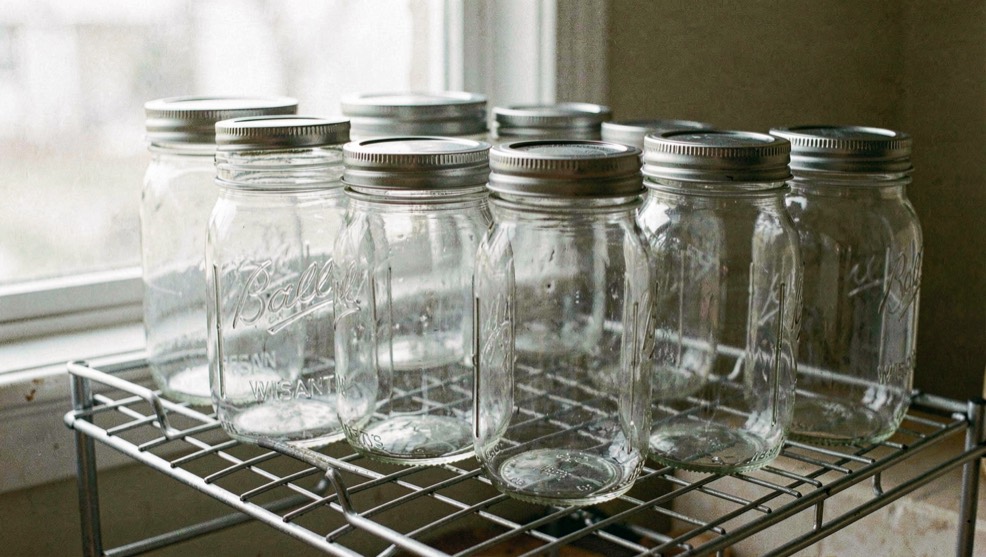
The jar. Half an inch of headspace, and a processing time that changes with altitude.
RegisterEverything on this site, by date of revision
Every page here was written and revised on the same day, and every page carries that date. Nothing on this site is backdated to look older than it is.
-
Vegetable by vegetable
Fermented dill pickles, cucumber by the gallon of crock
The oldest and the most documented of these recipes, printed the same way by four separate publications, all of them adapted from one national guide.
-
Vegetable by vegetable
Quick fresh pack dills, the cucumber that never ferments
No lactic bacteria, no crock and no three weeks: acidity arrives ready made in the jar, which changes what the recipe is allowed to do.
-
Vegetable by vegetable
Sauerkraut, and the one recipe published as a percentage
The only vegetable on this site for which a source states the salt as a percentage of the weight, and the only one where two documents print different temperatures.
-
Vegetable by vegetable
Dilled beans, upright in the jar and never fermented
A fresh pack recipe with one of the shortest processing times published, and no fermented version anywhere in these sources.
-
Vegetable by vegetable
Pickled beets, cooked before they are ever pickled
The only recipe here that cooks the vegetable through first, and the only one whose preparation step exists to keep the colour in the beet.
-
Vegetable by vegetable
Pickled hot peppers, blistered before they are packed
The one recipe on this site that carries a safety instruction about the cook rather than the food, and the only one with a skin removal step.
-
Vegetable by vegetable
Summer squash relish, the one recipe that is not a pickle
A relish rather than a pickle: the vegetable is grated, the liquid is thick with sugar, and the class it belongs to changes what the schedule is for.
-
Vegetable by vegetable
Pickled asparagus, equal parts water and vinegar
One of the seventeen tested recipes in a single extension publication, and one of the few that names a twelve ounce jar in its schedule.
-
Vegetable by vegetable
Pickled carrots, and a brine where the salt is not the preservative
The clearest published example of a recipe whose salt is there for taste and whose safety rests entirely on the vinegar.
-
Vegetable by vegetable
Cauliflower and Brussels sprouts, and a salt that is thrown away
One of the two recipes here with a salted blanching water, a quantity that never reaches the jar and must not be confused with a brine.
-
Vegetable by vegetable
Green tomatoes, three published recipes and one trap
The vegetable with the most published variants here, and the one where the strongest brine of all belongs to a recipe that is not a fermentation.
-
Vegetable by vegetable
Pearl onions, the smallest vegetable in the whole set
A short recipe, and a useful one to read against the others, because almost every step in it exists to handle the size of the vegetable.
-
Vegetable by vegetable
Mixed vegetables, the only recipe here with no added water
The recipe that shows most plainly what the vinegar is doing, because there is nothing in the jar to dilute it.
-
Vegetable by vegetable
Kimchi, the one ferment here that is never made shelf stable
One source in this whole set publishes a kimchi procedure, and it differs from every other page here in the way that matters most: the jar never becomes shelf stable.
-
Vegetable by vegetable
Four vegetables this manual gives no recipe for, and why
The page that exists because the honest answer to a question is sometimes that nobody tested it, and a manual on this subject may not guess.
-
How the method works
How to make a pickle, in the order the steps actually happen
One page that walks the whole procedure once, so that every recipe on this site can be read as a variation on it rather than as a list.
-
How the method works
Every salt strength these documents publish, and what each is for
Nine figures from five publications, kept separate on purpose: a strength written for a crock of cabbage is not a strength for a jar of cucumbers.
-
How the method works
Ferment or vinegar, and the four classes the documents define
The single distinction that governs every other page here: whether the acid is made by the vegetable or poured in from a bottle.
-
How the method works
Which salt, which vinegar and which water the recipes assume
Three ingredients that look interchangeable in a shop and are not, with the published reason for each restriction.
-
How the method works
Temperature and time, and the one place the sources disagree
The two figures a cellar decides for you, and what the documents say happens when the cellar is warmer or colder than they assume.
-
How the method works
Acidity, spoilage, and the batches these documents tell you to throw away
The page that exists because this subject can make people ill: every figure here is a regulatory or federal figure, and every one is attributed.
-
How the method works
Crock, weight, cover and jar, and the rule attached to each
Four objects, and the reason each one is specified rather than suggested: every rule here comes from the same documents as the recipes.
-
How the method works
Season, maturity and the delay between the field and the crock
A recipe assumes a vegetable at a particular stage. This page collects what is actually published about that stage, and says where it is not published.
-
How the method works
The words of the trade, defined by the documents that use them
Every entry here is a definition taken from a named publication, not a definition written for this site.
-
How the method works
Sources, method, and what this site does when the documents disagree
A manual about food safety is only worth what its sources are worth, so this page names all of them and describes how they were read.